


-

Add: HeBei ShengShi HongBang Cellulose Technology CO.,LTD.
-

Email
13180486930@163.com -

CONTACT US
+86 13180486930
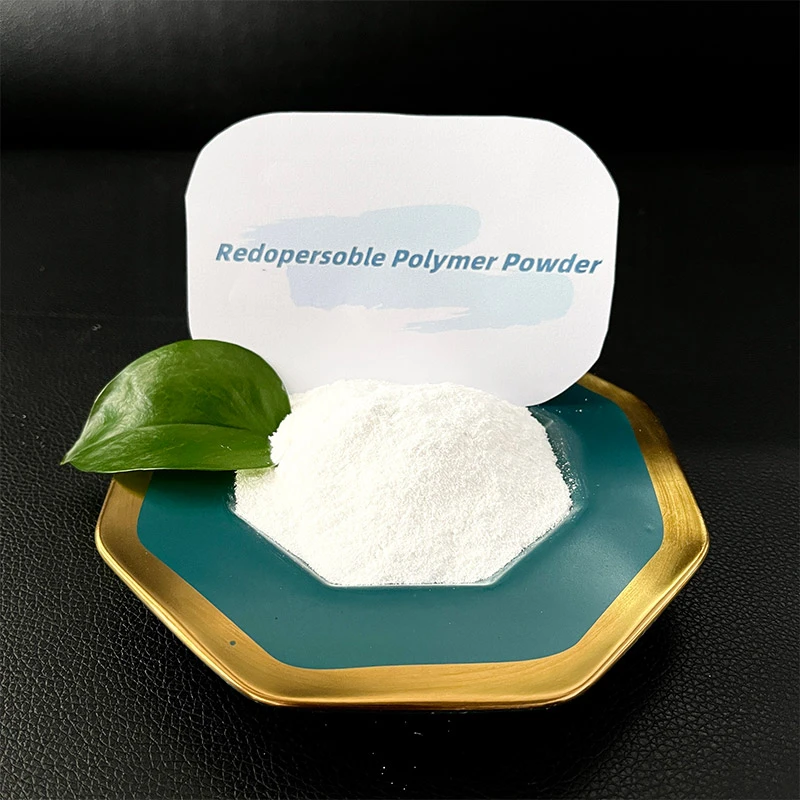

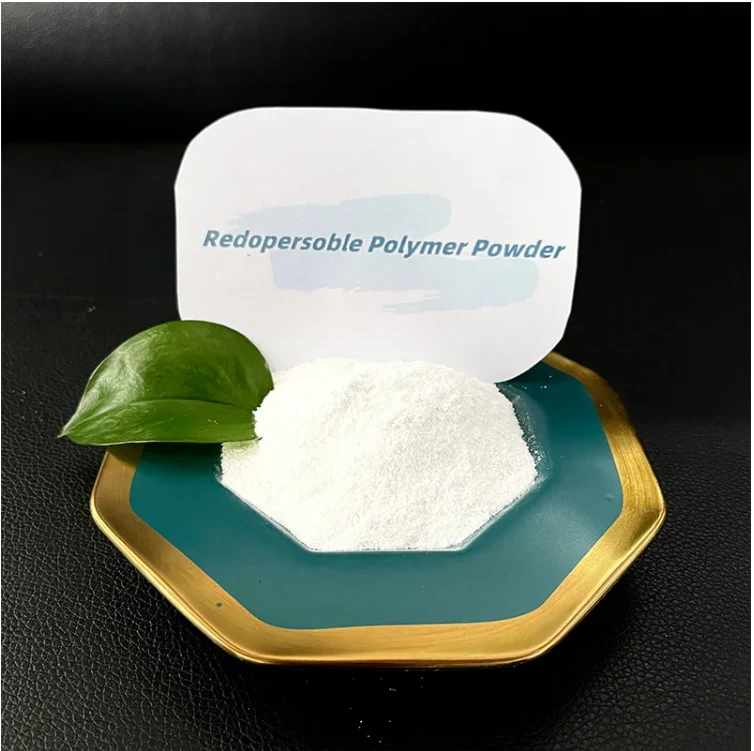


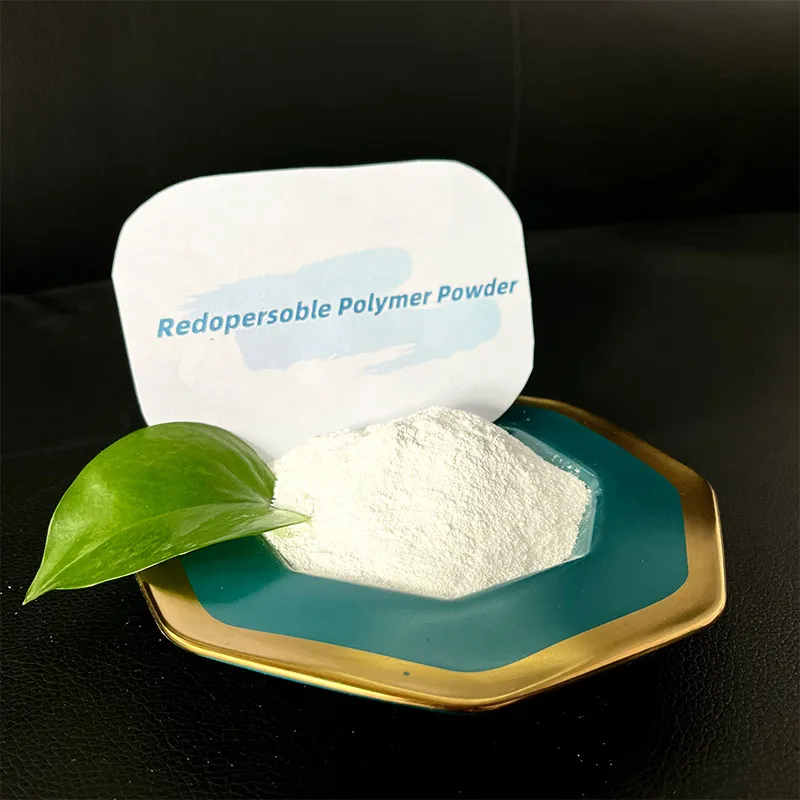


Introduction to Hydroxypropyl Methyl Cellulose (HPMC) In the realm of advanced material science, Hydroxypropyl Methyl Cellulose HPMC stands out as a versatile, non-ionic cellulose ether with widespread applications across numerous industrial sectors. Derived from natural cellulose through a precise chemical modification process, HPMC exhibits a unique combination of properties including excellent water retention, thickening, emulsifying, film-forming, and protective colloid characteristics. Its ability to perform across a broad pH range and under varying temperature conditions makes it an indispensable additive in construction, pharmaceuticals, food, cosmetics, and paints & coatings. This detailed article explores the technical intricacies, market dynamics, and strategic advantages of leveraging high-quality HPMC products for demanding B2B applications, offering insights crucial for decision-makers and technical engineers. Manufacturing Process Flow of Hydroxypropyl Methyl Cellulose The production of high-grade Hydroxypropyl Methyl Cellulose HPMC is a sophisticated multi-stage chemical synthesis process, beginning with high-purity refined cotton or wood pulp. This process is meticulously controlled to ensure consistent product quality and performance. Key Stages in HPMC Production: Raw Material Preparation: High-quality cellulose (typically refined cotton linter or wood pulp) is carefully selected and pre-treated to remove impurities, ensuring a pure starting material. Alkalization: The purified cellulose is reacted with a strong alkali, usually caustic soda (NaOH), to produce alkali cellulose. This step activates the cellulose, making its hydroxyl groups more reactive for subsequent etherification. Etherification: The alkali cellulose is then reacted with methyl chloride (CH₃Cl) and propylene oxide (CH₂OCHCH₃) under controlled temperature and pressure conditions in a reactor. This introduces methoxy and hydroxypropoxy groups onto the cellulose backbone, defining the specific characteristics of HPMC. The degree of substitution (DS) and molar substitution (MS) are critical parameters controlled at this stage, dictating the final product’s properties like solubility, gelation temperature, and viscosity. Neutralization & Washing: After etherification, the crude HPMC is neutralized, typically with an acid, and then subjected to extensive hot water washing to remove salts, unreacted reagents, and other by-products, ensuring high purity. Drying & Grinding: The purified HPMC slurry is dewatered, dried to a specific moisture content, and then ground into a fine powder. Particle size distribution is carefully controlled to meet various application requirements. Screening & Packaging: The powder is screened to ensure uniform particle size and then packaged into suitable container111s, often with inert gas to prevent degradation, ready for distribution. Testing Standards: Throughout the entire manufacturing process, rigorous quality control measures are implemented. Products are tested against international standards such as ISO (International Organization for Standardization) for quality management systems (e.g., ISO 9001) and product-specific standards for purity, viscosity, moisture content, pH, and particle size. Advanced analytical techniques like Gas Chromatography (GC) for substituent analysis and viscometry are routinely employed. Target Industries: The resulting HPMC finds extensive use in the construction industry for cement-based and gypsum-based mortars (tile adhesives, renders, self-leveling compounds), enhancing workability and water retention. In pharmaceuticals, it serves as a binder, disintegrant, and controlled-release agent. Food applications include thickeners, stabilizers, and emulsifiers. Its versatility also extends to personal care products and industrial coatings. Service Life: When stored under appropriate conditions (cool, dry, sealed container111s, away from direct sunlight), HPMC typically maintains its efficacy for 12 to 24 months, depending on the specific grade and manufacturer guidelines. Industry Trends and Market Dynamics for HPMC The global market for Hydroxypropyl Methyl Cellulose HPMC is experiencing robust growth, driven by increasing demand from the construction and pharmaceutical sectors, particularly in emerging economies. The construction industry, a primary consumer, relies heavily on HPMC for improving the performance of dry-mix mortars, contributing to enhanced workability, extended open time, and superior adhesion. Growing urbanization and infrastructure development projects worldwide are fueling this demand. In the pharmaceutical sector, HPMC's role as a binder, film-forming agent for tablet coatings, and excipient for controlled drug release formulations continues to expand. The increasing prevalence of chronic diseases and the push for advanced drug delivery systems are key growth drivers. Furthermore, the rising awareness of sustainable and eco-friendly building materials, coupled with stringent environmental regulations, positions HPMC favorably due to its natural origin and biodegradability. Technological advancements are also shaping the market, with manufacturers focusing on developing specialized HPMC grades offering tailored properties like improved alkali resistance, enhanced sag resistance, and optimized rheology for specific applications. The market is also seeing a trend towards backward integration by major players to secure raw material supply and maintain cost competitiveness. Geographically, Asia-Pacific, led by China and India, represents the largest and fastest-growing market, attributed to booming construction activities and a rapidly expanding pharmaceutical industry. Technical Specifications and Performance Parameters The performance of Hydroxypropyl Methyl Cellulose HPMC is defined by a set of critical technical parameters that dictate its suitability for specific applications. Understanding these specifications is essential for engineers and product developers to select the optimal grade. Key Technical Parameters: Viscosity (mPa·s): Measured in a 2% aqueous solution at 20°C using a viscometer (e.g., Brookfield viscometer), viscosity is arguably the most crucial parameter. It dictates the thickening efficiency and rheological properties, ranging from low (e.g., 50 mPa·s for thin film coatings) to high (e.g., 200,000 mPa·s for high-build mortars). Methoxy Content (%): Influences solubility, thermal gelation temperature, and compatibility. Higher methoxy content generally leads to lower gelation temperature and better solubility in organic solvents. Hydroxypropoxy Content (%): Affects surface activity, water retention, and compatibility. Higher hydroxypropoxy content typically results in increased water retention and improved film flexibility. Gelation Temperature (°C): The temperature at which an HPMC solution transitions from a liquid to a gel upon heating. This property is vital for applications requiring thermal stability or reversible gelling behavior. Particle Size (Mesh/µm): Determines the dissolution rate and dispersibility. Fine powders dissolve faster but can be more challenging to disperse without lumping. Standard grades range from 80-120 mesh. pH: HPMC is stable over a broad pH range (typically 3-11), making it suitable for diverse formulations. Water Retention: Critical in construction materials, preventing premature drying and ensuring proper cement hydration. Typical HPMC Product Specification Table: Parameter Unit Standard (Construction Grade) Standard (Pharmaceutical Grade) Appearance - White to off-white powder White to off-white, odorless powder Viscosity (2% solution, 20°C) mPa·s 100-200,000 3-200,000 (USP/EP standards) Methoxy Content % 28.0-30.0 19.0-30.0 (Grade Dependent) Hydroxypropoxy Content % 7.0-12.0 4.0-12.0 (Grade Dependent) Gelation Temperature °C 60-90 58-90 Moisture Content % ≤ 5.0 ≤ 5.0 Ash Content % ≤ 5.0 ≤ 1.5 (max, for Pharma grade) These parameters are meticulously controlled during manufacturing to produce various grades of HPMC, each optimized for specific end-use requirements. For instance, high viscosity grades are preferred for tile adhesives and thickeners, while low viscosity grades are used in film coatings and clear solutions. Versatile Application Scenarios The multifaceted properties of Hydroxypropyl Methyl Cellulose HPMC enable its broad utility across a diverse range of industries. Its ability to act as a thickener, binder, film-former, protective colloid, and water-retention agent makes it an invaluable component in numerous formulations. Key Application Areas: Construction Materials: HPMC is crucial for dry-mix mortars such as tile adhesives, renders, plasters, and self-leveling compounds. It improves workability, open time, sag resistance, and adhesion strength, significantly enhancing the durability and ease of application of construction finishes. Pharmaceuticals: As an excipient, HPMC is widely used in oral solid dosage forms (tablets, capsules) as a binder, disintegration aid, and, notably, as a rate-controlling polymer for extended-release matrices and enteric coatings. Its inertness and non-toxicity are paramount here. Food Industry: Serving as a thickener, stabilizer, emulsifier, and film-former in processed foods, HPMC contributes to texture, shelf-life, and sensory properties in products like baked goods, sauces, and dairy alternatives. Paints & Coatings: In water-based paints and emulsions, HPMC acts as a rheology modifier and thickener, preventing pigment settling, ensuring consistent application, and improving overall film formation and stability. Personal Care & Cosmetics: Found in shampoos, lotions, creams, and detergents, HPMC provides thickening, emulsifying, and foam-stabilizing properties, enhancing product aesthetics and performance. Oilfield Applications: HPMC can be used as a fluid loss additive in drilling fluids, helping to maintain borehole stability and optimize drilling efficiency. The versatility of HPMC allows formulators to achieve specific performance goals, whether it's enhancing the pumpability of concrete, controlling the release profile of a pharmaceutical drug, or stabilizing an emulsion in a cosmetic product. Technical Advantages of HPMC The widespread adoption of Hydroxypropyl Methyl Cellulose HPMC across critical industries is a testament to its compelling technical advantages. These benefits translate directly into improved product performance, cost-efficiency, and user satisfaction. Superior Water Retention: Especially crucial in cement-based mortars and plasters, HPMC significantly reduces water evaporation, allowing for full cement hydration, leading to stronger, more durable, and crack-resistant finished products. This property extends open time for installers. Excellent Thickening and Rheology Modification: HPMC offers precise control over viscosity and flow properties. It prevents sag in vertical applications, improves trowelability in mortars, and provides desired body and consistency in paints and personal care products. Enhanced Adhesion and Cohesion: By forming a strong film, HPMC improves the bond strength between various substrates in construction and acts as an effective binder in pharmaceutical tablets, ensuring structural integrity. Thermal Gelation: The unique property of reversible thermal gelation is beneficial in applications where processing involves heat, providing temporary viscosity increase or structural support that reverts upon cooling. Film-Forming Capabilities: HPMC forms clear, flexible, and strong films, making it ideal for tablet coatings, protective films, and as an ingredient in certain packaging applications. pH Stability: Its stability across a wide pH range (3-11) allows HPMC to be incorporated into diverse chemical environments without significant degradation or loss of function. Biocompatibility and Non-toxicity: For pharmaceutical and food-grade HPMC, its inert, non-toxic, and non-allergenic profile makes it a safe and preferred excipient. Dispersibility and Dissolution: Surface-treated grades of HPMC offer excellent dispersibility in cold water, preventing lump formation and ensuring uniform distribution in formulations. Vendor Comparison and Differentiation Choosing the right supplier for Hydroxypropyl Methyl Cellulose HPMC is a strategic decision that impacts product quality, supply chain reliability, and cost-effectiveness. While numerous manufacturers produce HPMC, key differentiators distinguish leading vendors from others. Key Differentiators in HPMC Vendors: Product Purity and Consistency: Top-tier vendors ensure minimal impurities and batch-to-batch consistency in key parameters like viscosity, substitution levels, and particle size distribution. This consistency is vital for predictable performance in sensitive applications. Grade Customization: Leading manufacturers offer a wide array of HPMC grades tailored for specific applications (e.g., highly alkali-resistant for cement, pharmaceutical grade with low ash). The ability to offer customized solutions is a significant advantage. Technical Support and R&D: A strong vendor provides expert technical support, application guidance, and invests heavily in R&D to develop new grades and improve existing ones, helping clients optimize their formulations. Certifications and Compliance: Adherence to international standards (ISO, GMP, Halal, Kosher, etc.) and regulatory compliance (USP, EP, FCC) for specific grades (especially pharmaceutical and food) signifies reliability and safety. Supply Chain Reliability: Robust production capacities, diversified raw material sourcing, and efficient logistics ensure stable supply and timely delivery, minimizing disruptions for B2B clients. Cost-Effectiveness: While not always the cheapest, leading vendors offer value through superior performance, reduced formulation complexities, and consistent quality, which ultimately lowers overall production costs. Comparative Overview of HPMC Grades/Vendors (Illustrative): Feature/Grade Vendor A (Premium) Vendor B (Standard) Vendor C (Economy) Viscosity Range (mPa·s) 50-200,000 500-100,000 1,000-50,000 Purity (%) >99.5 (Pharmaceutical & Food grade available) >98.0 (Industrial) >95.0 (Basic Industrial) Water Retention (2h, % - mortar test) >90 75-85 60-70 Batch Consistency Excellent (Narrow deviation) Good (Moderate deviation) Acceptable (Wider deviation) Certifications ISO, GMP, USP/EP, Halal, Kosher ISO, some industry-specific Basic ISO Technical Support Comprehensive & Proactive Standard Limited Evaluating these factors allows B2B buyers to align their HPMC sourcing strategy with their quality requirements, budget, and long-term supply needs. Customized Solutions with HPMC In today's competitive B2B landscape, off-the-shelf solutions are not always sufficient. Many specialized applications demand tailored properties from Hydroxypropyl Methyl Cellulose HPMC to achieve optimal performance. Customization capabilities are a hallmark of a truly responsive and technically advanced HPMC supplier. Customization primarily involves fine-tuning the substitution patterns (methoxy and hydroxypropoxy content), molecular weight (affecting viscosity), and particle size distribution. This allows for HPMC grades with specific attributes such as: Optimized Rheology: Developing HPMC with specific shear-thinning behavior for sprayable mortars or high-viscosity grades for demanding tile adhesives that prevent slippage. Enhanced Water Retention: Custom grades with superior water-holding capacity for applications in hot, dry climates, ensuring proper hydration of cementitious systems. Controlled Gelation Temperature: Adjusting the thermal gelation point for specific processing requirements in food or pharmaceutical production. Improved Alkali Resistance: Specialized HPMC for use in highly alkaline environments, common in certain construction materials, to maintain stability and performance. Specific Dissolution Profiles: For pharmaceutical applications, customizing HPMC to achieve precise drug release rates from matrix tablets. Fine Particle Size: Ultra-fine grades for specific cosmetic or dry-mix formulations requiring rapid dissolution and homogeneous mixing. Collaboration between the client's R&D team and the HPMC manufacturer's technical experts is crucial for successful customized solutions, ensuring that the final product precisely meets the unique performance benchmarks of the application. Application Case Studies Real-world applications underscore the transformative impact of high-quality Hydroxypropyl Methyl Cellulose HPMC . These case studies demonstrate how targeted HPMC grades address specific industry challenges and deliver measurable improvements. Case Study 1: High-Performance Tile Adhesive for Large Format Tiles A major European construction chemical company sought to develop a premium tile adhesive capable of holding heavy, large-format tiles without sag, even on vertical surfaces, while also providing extended open time. By collaborating with a leading HPMC supplier, a customized HPMC grade with a specific viscosity profile (high initial viscosity, excellent shear-thinning) and enhanced water retention was developed. The inclusion of this HPMC improved the adhesive's consistency, significantly reduced tile slippage, and extended the working time by over 30%, leading to superior installation efficiency and reduced material waste. Customer feedback highlighted improved workability and stronger bond strength, resulting in higher contractor satisfaction. Case Study 2: Controlled-Release Tablet Formulation A pharmaceutical client needed to formulate a new drug into a once-daily controlled-release tablet to improve patient compliance. The challenge was to ensure a consistent drug release profile over 24 hours. Through extensive R&D and trials, a specialized pharmaceutical-grade HPMC with a specific methoxy/hydroxypropoxy ratio and molecular weight was identified and incorporated as the primary matrix-forming polymer. The HPMC's ability to swell and form a gel barrier effectively controlled the dissolution and diffusion of the active pharmaceutical ingredient (API), achieving the desired zero-order release kinetics. This resulted in a stable, efficacious drug product with excellent bioavailability, validated through rigorous in-vitro and in-vivo testing, and subsequently approved for market. Certifications and Quality Assurance Commitment to quality and adherence to global standards are paramount in the production and supply of Hydroxypropyl Methyl Cellulose HPMC , especially for B2B applications where performance and safety are non-negotiable. Reputable manufacturers uphold rigorous quality assurance protocols and possess a range of certifications that attest to their product integrity and operational excellence. ISO 9001:2015 Certification: Demonstrates a robust Quality Management System ensuring consistent product quality and customer satisfaction through continuous improvement. GMP (Good Manufacturing Practices) Certification: Essential for pharmaceutical and food-grade HPMC, confirming that products are consistently produced and controlled according to quality standards appropriate to their intended use and as required by regulatory authorities. Halal and Kosher Certifications: Ensures products comply with specific dietary and religious requirements, expanding market access for food and pharmaceutical applications. USP/EP/FCC Compliance: Pharmaceutical and food grades must meet the stringent requirements of Pharmacopoeias (United States Pharmacopeia, European Pharmacopoeia) and the Food Chemicals Codex, guaranteeing purity and functional properties. REACH/RoHS Compliance: For products distributed in Europe, compliance with regulations like REACH (Registration, Evaluation, Authorisation and Restriction of Chemicals) and RoHS (Restriction of Hazardous Substances) ensures environmental and health safety. These certifications are not just labels; they represent a fundamental commitment to excellence, providing clients with the confidence that the HPMC they procure meets the highest global benchmarks for quality, safety, and performance. Trust and Support Building long-term partnerships in the B2B sector for Hydroxypropyl Methyl Cellulose HPMC relies heavily on trust, transparency, and robust customer support. We are committed to providing comprehensive services that ensure client satisfaction from inquiry to after-sales support. Frequently Asked Questions (FAQ): What is the typical lead time for HPMC orders? Standard lead time for most HPMC grades is typically 2-4 weeks from order confirmation, depending on volume and specific grade availability. For custom grades or large-volume orders, a precise lead time will be provided during the quotation process. Do you provide samples for R&D and testing? Yes, we offer complimentary samples of various HPMC grades for qualified B2B clients to conduct their internal R&D and product testing. Please contact our sales team to discuss your specific requirements and sample requests. What is your warranty policy for HPMC products? We provide a standard warranty covering material specifications and quality for 12 months from the date of manufacture, provided the product is stored and handled according to our recommendations. Any deviation from agreed-upon specifications will be addressed promptly according to our quality assurance protocols. How do you ensure consistent product quality across batches? Our manufacturing facilities are ISO 9001 certified and adhere to stringent quality control procedures at every stage, from raw material inspection to final product testing. Each batch undergoes comprehensive analysis for key parameters like viscosity, substitution levels, and purity to ensure consistent performance. Lead Time & Fulfillment: Our robust supply chain and optimized production planning enable us to offer reliable lead times, typically ranging from 2 to 6 weeks depending on product specification and order volume. We work closely with our logistics partners to ensure efficient global delivery, offering various shipping options to meet your scheduling requirements. Warranty Commitments: We stand by the quality of our HPMC products. All shipments are accompanied by a Certificate of Analysis (CoA) verifying compliance with specified parameters. In the unlikely event of a product not meeting its stated specifications under proper storage conditions, we are committed to prompt investigation and resolution, including replacement or credit as appropriate. Customer Support: Our dedicated team of technical experts and customer service representatives is available to provide comprehensive support. From initial product selection and formulation guidance to troubleshooting and after-sales service, we ensure that our clients receive timely and accurate assistance. Contact us via phone, email, or through our website for any inquiries. Conclusion Hydroxypropyl Methyl Cellulose HPMC remains a cornerstone ingredient for a multitude of industries, driven by its exceptional functional properties and adaptability. Its critical role in enhancing performance, cost-efficiency, and sustainability across construction, pharmaceuticals, food, and other sectors underscores its value. As industries evolve, the demand for high-quality, specialized HPMC grades continues to grow, necessitating strong partnerships with expert manufacturers capable of delivering consistent quality, innovative solutions, and unwavering support. References USP-NF. United States Pharmacopeia–National Formulary. Rockville, MD: U.S. Pharmacopeial Convention, Inc.; current edition. European Pharmacopoeia (Ph. Eur.) 10th Edition. European Directorate for the Quality of Medicines & HealthCare (EDQM). Food Chemicals Codex (FCC), 12th Edition. United States Pharmacopeial Convention, 2020. ISO 9001:2015 - Quality management systems - Requirements. International Organization for Standardization. Gupta, P., & Singh, A. K. (2018). Hydroxypropyl Methylcellulose (HPMC) in Pharmaceutical Formulations: A Review. International Journal of Pharmaceutical Sciences Review and Research, 51(2), 11-20. Raghavan, V., & Balakrishnan, S. (2019). Role of Cellulose Ethers in Dry Mix Mortars: A Comprehensive Review. Construction and Building Materials, 219, 582-595.
- 40000tons

Production
- 20+years

Experience
- 5000+㎡

Acreage

-
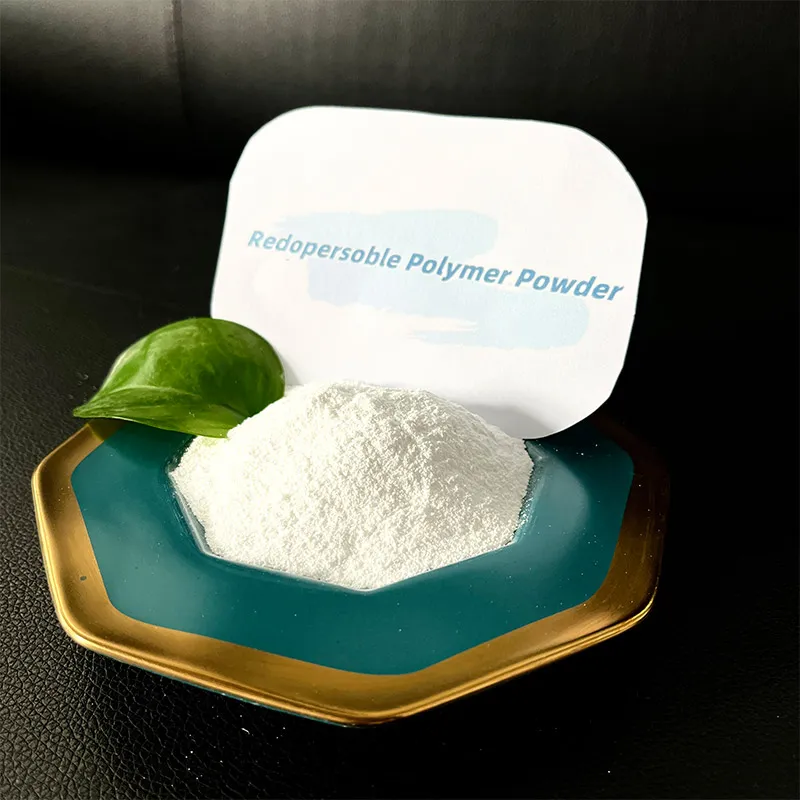
Fiberglass for Concrete Mix Enhancing Strength and Durability Concrete is one of the most widely used construction materials in the world, known for its strength and versatility. However, it does have its limitations, such as brittleness, susceptibility to cracking, and overall weight. To tackle these challenges, the incorporation of fiberglass into concrete mixes has emerged as a game-changing solution that boosts performance while maintaining the same traditional characteristics of concrete. What is Fiberglass? Fiberglass, or glass fiber, is a reinforced plastic material composed of fine fibers of glass. It is known for its high strength-to-weight ratio, excellent resistance to corrosion, and impressive insulation properties. When added to concrete mixes, fiberglass can significantly enhance the material's overall performance, making it a popular choice in various construction applications. Benefits of Fiberglass in Concrete Mixes 1. Improved Tensile Strength One of the most significant advantages of incorporating fiberglass into concrete is the enhancement of tensile strength. Traditional concrete tends to be strong in compression but weak in tension, which can lead to cracks and structural failures. By adding fiberglass, the tensile strength increases, making the concrete more resistant to stress and load-bearing requirements. 2. Reduced Shrinkage and Cracking Fiberglass acts as a reinforcement that helps to minimize shrinkage during the curing process. This reduction in shrinkage translates to a decreased risk of cracking, which is often a common issue in standard concrete mixes. By effectively controlling cracking, fiberglass-reinforced concrete extends the lifespan of structures and reduces the need for repairs. 3. Lightweight Composition The lightweight nature of fiberglass compared to traditional reinforcement materials like steel means that concrete mixes can maintain lower overall weight. This can reduce the structural load on foundations while still providing the necessary strength and durability. Such lightweight composition is particularly advantageous in projects where load restrictions are critical. fiberglass for concrete mix 4. Enhanced Durability Fiberglass is naturally resistant to corrosion and chemical attack, which can often plague concrete exposed to harsh environmental conditions. By incorporating fiberglass, the resulting concrete becomes more robust against moisture penetration, temperature fluctuations, and aggressive chemicals, making it ideal for use in areas such as coastal regions, industrial sites, or places with severe weather. 5. Cost-Effectiveness While there may be initial costs associated with adding fiberglass to concrete mixes, the long-term savings are significant. The durability and reduced maintenance associated with fiberglass-reinforced concrete often lead to lower repair and replacement costs over the lifecycle of a structure. Additionally, the efficiency of construction and the potential reduction in material usage can further offset expenses. Applications of Fiberglass-Reinforced Concrete The application of fiberglass in concrete mixes spans across various sectors including residential, commercial, and industrial construction. From precast concrete products to architectural elements, such as facades and sculptures, fiberglass enhances the performance and aesthetic appeal of concrete structures. One notable application is in the construction of pavements and flooring systems. The addition of fiberglass not only improves the structural integrity but also provides slip resistance, ensuring safety in both industrial and commercial environments. Moreover, the use of fiberglass in thin overlays and shotcrete processes shows significant promise, allowing for quick application with high durability. Conclusion In conclusion, the integration of fiberglass into concrete mixes presents a wealth of benefits that significantly enhance the material's performance. Improved tensile strength, reduced shrinkage, enhanced durability, and lightweight composition make fiberglass-reinforced concrete an excellent choice for modern construction projects. As the construction industry continues to evolve, adopting innovative materials like fiberglass will be crucial in meeting the demands for stronger, more resilient, and cost-effective building solutions. By embracing these advancements, engineers and architects can create structures that not only stand the test of time but also contribute to more sustainable development practices.
-
Hydroxypropyl Methylcellulose (HPMC) has seen a surge in demand across various industries, making the buying process an area of great interest. For those seeking to purchase HPMC, having a comprehensive understanding of the product, coupled with insights from industry professionals, is essential. An important characteristic of HPMC is its versatile applicability. With its non-toxic, tasteless, and odorless attributes, it is commonly used in pharmaceuticals, construction, food, and personal care products. In pharmaceuticals, HPMC acts as a binder and time-release agent, ensuring effective delivery of active ingredients. For construction, it enhances water retention and workability in products like cement and mortar, showcasing its pivotal role in the building sector. Purchasing HPMC demands expertise from industry insiders who emphasize the importance of quality . Experts recommend sourcing from certified manufacturers who adhere to international standards such as ISO and GMP. These certifications guarantee that the HPMC is manufactured under stringent quality control, ensuring product reliability and safety for end-users. Real-world experience highlights the importance of considering particle size and viscosity levels when buying HPMC. Different applications require specific viscosity ranges; for instance, higher viscosity HPMC is ideal for tile adhesives, whereas lower viscosity types might be better for pharmaceutical applications. Experienced professionals suggest requesting product samples to conduct application-specific tests before making bulk purchases. This not only ensures compatibility but also prevents potential product wastage. Authoritative voices in the industry emphasize the significance of understanding regional regulations. Product compliance can often vary depending on geographical location, affecting the import and usage of HPMC. Therefore, it is advisable to consult with regional experts and legal advisors to navigate through these regulatory frameworks effectively. hpmc buy Trustworthiness in the HPMC supply chain is another crucial factor. Buyers are advised to perform due diligence on suppliers. This includes reviewing company histories, customer testimonials, and case studies. Opting for suppliers with a proven track record, robust customer support and transparent business practices can significantly diminish risks associated with quality and delivery schedules. For ensuring seamless transactions, economic considerations play a pivotal role. Bulk purchasing can lead to significant cost reductions. However, financial experts suggest balancing purchase volume with inventory management to avoid overstocking, which could lead to increased holding costs. Developing a strategic purchasing plan with flexible terms can optimize financial outcomes while securing a steady supply of HPMC. Finally, leveraging technology can greatly aid in the HPMC procurement process. Utilizing supply chain management software can streamline operations, providing real-time updates on inventory levels, shipment tracking, and vendor communication. Such tools enhance efficiency, ensuring that the acquisition process aligns with business objectives. In conclusion, buying HPMC involves a blend of understanding its applications, ensuring quality through certified suppliers, adhering to regulations, establishing trust with vendors, managing economic factors wisely, and incorporating technological solutions. By focusing on these aspects, businesses can make informed decisions, optimizing the benefits of HPMC across their respective industries.
advantages
-

200000 Viscosities
Excellent product
We can produce pure products up to 200,000 viscosities
-

40000 tons
High yield
We don’t stop production all year round, and the annual output can reach 40,000 tons
-

24 hours
Quality service
We provide 24-hours online reception service, welcome to consult at any time
———— Inquiry Form
Schedule A services
-
 hpmc_synthesis
Oct . 25, 2025
Rubber powder coating has quietly risen to prominence in the coating industry, capturing the interes -
 rubber_powder-821_uses
Oct . 25, 2025
HPMC E5 LV, connu sous le nom de hydroxypropylméthylcellulose, est un polymère essentiel dans l'indu -
 0_point_5_hpmc
Oct . 25, 2025
Gentamicin with Hydroxypropyl Methylcellulose (HPMC) Eye/Ear Drops A Comprehensive Insight Gentamici


